

April 30, 2025
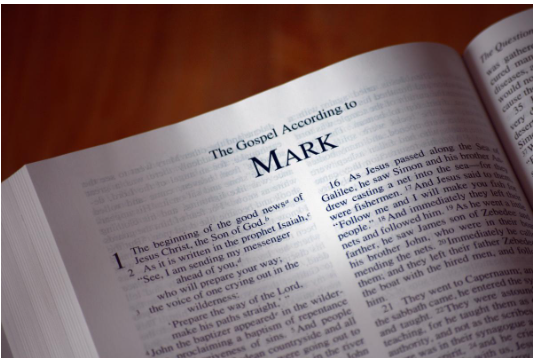
Different Endings in the First Gospel
by parishioner Dick Fichter with assistance from Rev. Dina
Now we return in Eastertide, what we began just before Lenten pause in our Hump Day messages. Our last HDM was about the New Testament in the NRSV and the first Gospel – the Gospel of Mark.
As previously noted, in the introduction to Mark, it is stated that in the earliest Greek manuscripts and versions, the visit by the two Marys to Jesus’ empty tomb ends with the words,” …for they were afraid.” Actually, “So they went out and fled from the tomb, for terror and amazement had seized them, and they said nothing to anyone, for they were afraid.” This is verse 8, which in the traditional version is followed by verses 9-20. However, there is also included in the NRSV a shorter version after verse 8.
The shorter ending of Mark reported is as follows:
And all that had been commanded them, they told briefly to those around Peter. And afterward Jesus himself sent out through them, from east to west, the sacred and imperishable proclamation of eternal salvation.
This shorter ending is included in some versions, followed by verses 9-20, which are included in the traditional closing of Mark, following verse 8, which discusses post-resurrection appearances of Jesus. First to Mary Magdalene, who told the others who had been with him, while they were mourning and weeping, that he was alive, but they did not believe her. Jesus then appeared to two of them in another form, who told the rest who did not believe them. Finally, he appeared to the eleven themselves who were sitting at a table and told them to go into the whole world and proclaim the good news. After he had spoken to them, the Lord Jesus was taken up to heaven and sat down at the right hand of God.
What do you think of these different endings for the gospel of Mark?
The following are some portions of the NSRV commentary on verses 16:9-20 of the traditional close of Mark. Nothing is certainly known either about how this gospel originally ended or about the origin of verses 9 to 20, which, because of the textual evidence as well as stylistic differences from the text of the rest of the Gospel, cannot have been part of the original text of Mark. Certain important witnesses to the text, including some ancient ones, end the gospel with verse 8, though it is possible that the compiler of the Gospel intended the abrupt ending, one can find hints that he intended to describe events after the resurrection.
Other early accounts of Mark were mentioned, and it is noted that, if such accounts were originally part of Mark’s Gospel, the loss of them took place very shortly after the Gospel was written, under circumstances beyond present knowledge.
Many witnesses, some ancient as well, end the Gospel with verses 9-20, thus showing that from early Christian times these verses have been accepted traditionally and generally as part of the canonical gospel of Mark.
A variety of other manuscripts conclude the gospel with the shorter ending either alone or followed by verses 9 to 20, thus indicating that the different attempts were made to provide a suitable ending for the Gospel.
The longer ending may have been compiled early in the 2nd century as a didactic summary of grounds for belief in Jesus’ resurrection being appended to the Gospel by the middle of the 2nd century.

What conclusions do you draw from the different endings to Mark. Does the presentation of different endings over an extended period of time affect your faith in the resurrection?
Stay tuned for what we explore next!